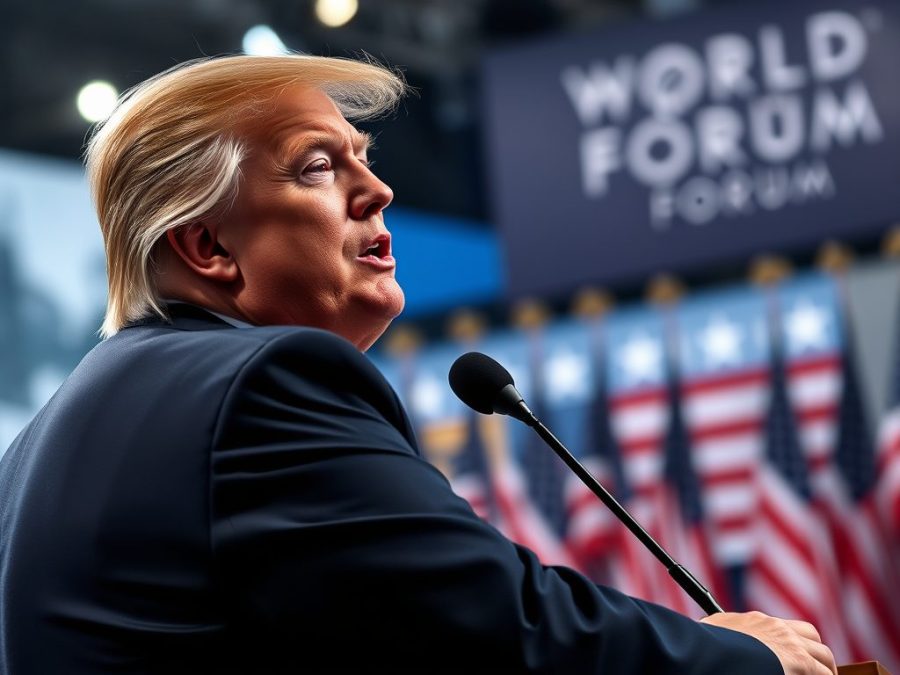

Die Bühne Davos, die Show Trump. Der ehemalige und wiedergewählte Präsident der Vereinigten Staaten nimmt uns mit auf eine Reise durch seine Visionen von Größe – diesmal live und zugeschaltet. Was folgt, ist ein rhetorischer Parforceritt zwischen Eigenlob, Drohungen und Forderungen. Die zentrale Botschaft? Kauft amerikanisch! Doch während Trump dies mit der Inbrunst eines Marktschreiers predigt, drängen sich unweigerlich einige Fragen auf.
Ist das die vielgerühmte libertäre Marktorientierung, Mr. President? Oder doch der Griff in die Mottenkiste des Merkantilismus – Zölle, Barrieren und die alte Mär von nationaler Größe? Trumps Forderung: Europa solle mehr „Made in USA“ kaufen – dabei ist selbst dieses Label oft nur eine Illusion. Hinter vielen vermeintlich amerikanischen Produkten verbirgt sich ein globales Netzwerk aus Zulieferern, bei dem die eigentliche Wertschöpfung nicht selten außerhalb der USA liegt. Das iPhone etwa – eine Parade amerikanischer Ingenieurskunst? Vielleicht, aber nur dank deutscher und asiatischer Zulieferer, die Innovation liefern, während Trump sich um neue Strafzölle bemüht.
Man fragt sich, wie viele „Make America Great Again“-Caps wohl in Vietnam genäht werden, während Trumps „America First“-Agenda die letzten Reste des globalen Wettbewerbsbegriffs mit einem Fracking-Bohrer pulverisiert. Fracking-Gas, das ganze Landstriche in den USA verwüstet, soll Europa angeblich unabhängiger machen – ein Deal, bei dem die Rechnung nicht nur ökologisch, sondern auch wirtschaftlich kaum aufgeht.
Export von Schuldtiteln statt Gütern
Die Realität hinter dem Geschwafel vom Golden Age sieht düsterer aus: Die USA, Exportweltmeister – aber nur von Schuldtiteln. Während Tech-Giganten wie Google, Amazon und Facebook in Steueroasen baden, schrumpfen die echten Güterexporte. Trump wettert gegen die EU, aber wer profitiert von dieser Lage? Sicher nicht die Arbeiter in Michigan oder Ohio. Sie stehen weiter vor verlassenen Fabriken, während Hedgefonds-Manager in Davos die Champagnergläser heben.
Zölle statt Wettbewerb, Druck statt Innovation
Trump will, dass Europa schneller handelt, aber nicht für den Fortschritt, sondern um seine Zwangskäufe durchzusetzen. Statt Kooperation und Wettbewerb setzt er auf Zölle und Drohungen. Dabei ist seine Wirtschaftspolitik kaum mehr als ein schlechter Abklatsch des Merkantilismus: Gewinne maximieren, egal wie. Nur, dass diesmal keine Kolonien ausgebeutet werden, sondern der eigene Boden – im wahrsten Sinne des Wortes. Die Pipeline für Fracking-Gas mag fließen, aber Trumps Worte über eine „große amerikanische Zukunft“ wirken ebenso hohl wie die verlassenen Fabriken im Rust Belt.
Und während die Davoser Runde höflich applaudiert, bleibt die Frage: Wie viele dieser „Deals“ werden tatsächlich Innovation fördern, statt nur kurzfristige politische Punkte zu sammeln? Trump verkauft Europa die Rolle des schlechten Schülers – doch wer ist es eigentlich, der seine Hausaufgaben nicht gemacht hat?
The Davos stage, the Trump show. The former and newly re-elected President of the United States took us on a journey through his visions of greatness – this time live-streamed. What followed was a rhetorical tour de force of self-praise, threats, and demands. The central message? Buy American! But as Trump delivered this sales pitch with the enthusiasm of a market hawker, a few unavoidable questions arose.
Is this the much-touted libertarian free-market ideology, Mr. President? Or just a return to the moth-eaten relics of mercantilism – tariffs, barriers, and the old myth of national greatness? Trump’s demand that Europe buy more “Made in USA” products often turns out to be little more than a branding illusion. Behind many supposedly American products lies a global network of suppliers, where the real value creation often happens far outside the United States. Take the iPhone – a parade of American engineering, right? Maybe, but only thanks to German and Asian suppliers driving the innovation, while Trump busies himself crafting new tariffs.
One wonders how many “Make America Great Again”-caps are sewn in Vietnam while Trump’s “America First” agenda drills the last remnants of global competition into the ground with a fracking rig. Fracking gas, devastating entire landscapes in the U.S., is pitched as the solution to Europe’s energy independence – a deal where the environmental and economic math simply doesn’t add up.
Exporting Debt, Not Goods
The reality behind the Golden Age rhetoric is far grimmer: The U.S. as the world’s export champion – but only for debt. While tech giants like Google, Amazon, and Facebook bask in tax havens, real goods exports are shrinking. Trump rails against the EU, but who benefits from this state of affairs? Certainly not the workers in Michigan or Ohio. They continue to stand before shuttered factories while hedge fund managers raise their champagne glasses in Davos.
Tariffs Over Competition, Pressure Over Innovation
Trump wants Europe to act faster, but not for progress – only to enforce his forced purchases. Instead of cooperation and competition, he relies on tariffs and threats. His economic policy is little more than a clumsy reboot of mercantilism: maximize profits, no matter the cost. Except this time, it’s not colonies being exploited – it’s the U.S.’s own land. The pipelines for fracked gas may flow, but Trump’s grand words about a “great American future” ring as hollow as the abandoned factories of the Rust Belt.
And as the Davos audience politely applauded, the real question lingered: How many of these “deals” will actually foster innovation, rather than scoring short-term political points? Trump casts Europe as the lazy student – but perhaps it’s time to ask: Who really hasn’t done their homework?